
The TL;DR (For the Speed-Running Parent)
- The Heritage
- Model #01-0018 represents the strategic expansion pack of the early ecosystem into classic European picture book territory.
- It represents a calculated pivot away from standard, multi-hour radio drama marathons.
- The Build
- Released as an early entry in the catalog lineup.
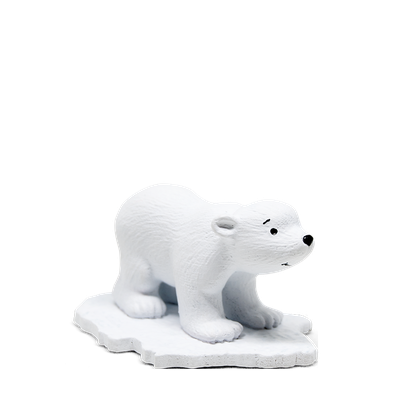
- Trades the tall vertical height of standard bipedal characters for a wide, low-profile ice floe base.
- Functions as a heavy-duty industrial anchor to maximize stability on the play mat.
- The Payload
- Features a concise 21-minute double-feature run time produced by Oetinger Media.
- Optimized explicitly for shorter toddler attention spans rather than the epic endurance raids of older archival series.
The Quest Log
- The Literary Blueprint
- Evaluates how adapting a standalone picture book character from NordSüd Verlag diversified the platform.
- Breaks the ecosystem away from long-running broadcast radio drama franchises.
- Side Quest: The Flat Base Physics
- Analyzes the industrial design mechanics behind the flat ice floe footprint.
- Explains how a lower center of mass eliminates the classic top-heavy tipping hazard.
- Sustaining Shorter Run Times
- Explores how the brand managed consumer value perception with a brief 21-minute runtime.
- Compares it against massive, hour-long archival audio dumps.
The Literary Blueprint: Shifting from Endless Epics to Curated Classics
Grab your coffee and lean in, because we need to talk about early-stage platform survival strategy. When this physical media audio box ecosystem first dropped on the scene, its survival depended entirely on converting old-school parents who were deeply loyal to their cassette tape and CD collections. The initial strategy felt like leaning entirely on a max-level raiding guild; the planners relied heavily on massive audio drama empires that boasted hundreds of episodes. Parents knew the drill with those characters because you dropped a figure on the speaker and secured an endless loop of background noise.
Let's be real, though: a platform cannot survive on multi-cast audio sitcoms alone. If you want to win over parents who prefer cozy, slow-paced bedtime reading instead of frantic Saturday morning cartoon energy, you have to anchor your hardware in the world of high-quality indie publishing.
This is where the alliance with NordSüd Verlag became an absolute critical turning point, almost like picking up a legendary piece of loot. By adapting Hans de Beer's iconic children's book, the audio box team proved that short-form storytelling could stand toe-to-toe with the heavy hitters of broadcast media. This little audio payload brings two specific stories to life: Kleiner Eisbär Lars, lass mich nicht allein! (which translates to Little Polar Bear Lars, Don't Leave Me Alone!) and Lars und der Angsthase (Lars and the Frightened Hare).
For the catalog ecosystem, this release was a major declaration of intent. It proved that a physical audio token could serve as the perfect digital twin to a beautiful hardcover picture book sitting on a child's nightstand. It completely shifted how parents shopped. We stopped viewing the speaker box as just a rugged replacement for a scratched old CD player and started seeing it as an interactive expansion pack for our home library. This plot twist allowed the manufacturer to attract indie book publishers who previously guarded their intellectual property like a red dragon guarding its gold horde. The little polar bear showed everyone that gentle, slow-paced stories could pull the exact same playground clout as massive commercial cartoon franchises.
Side Quest: The Flat Base Physics
As a maker mom who spends way too much time leveling 3D-printer beds and tweaking the density of resin casts, I think the industrial design on this polar bear is an absolute masterclass in mechanical stability. Most early figures went for a vertical profile. They stood on two legs, stretching tall to maximize visibility on a retail shelf. Sure, standing proud looks awesome in a store display box, but it inflicts a massive physics penalty on the living room rug. Top-heavy figures act like a classic lever arm. The second a kid bumps the table or drops a blanket nearby, the center of mass wobbles, breaking the magnetic link with the box and pausing the track mid-song.
The designers solved this problem completely by giving Lars a low-slung, four-legged posture. The polar bear isn't standing upright; he's walking on all fours across an irregular, molded ice floe. This ice floe base serves as a built-in stabilizer that totally wipes out the top-heavy lever effect. By spreading the physical mass across a wider horizontal plane, the center of gravity stays incredibly close to the internal neodymium magnet. Think of it like giving your figurine a permanent "prone" status modifier so it can't be knocked down by a stray toy train.
From a material science perspective, the thermoplastic elastomer blend used here is dense and highly durable, engineered to survive the casual violence of everyday toddler handling. However, the choice of a pure matte white finish comes with a specific design quirk that collectors always flag in community forums. The white plastic isn't painted; the polymer itself is tinted solid white during the injection molding process. Since it lacks a hard clear coat varnish, it behaves exactly like an unprimed gaming miniature from your favorite tabletop RPG or a soft guitar pick. Drop this little guy into a storage bin next to brightly painted toys, and he'll pick up dark scuffs and color transfers. It isn't a manufacturing defect or a material failure; it's just the reality of raw, high-friction matte polymers rubbing together under pressure.
Sustaining Shorter Run Times and Acoustic Dynamics
The economic math of physical media toys usually dictates that longer run times equal higher perceived value. When we are spending our hard-earned gold on a premium audio token, we often calculate the cost-per-minute of entertainment, sort of like evaluating the stat pool on a new piece of gear. Early catalog entries set a pretty intimidating baseline with sprawling audio archives that easily cleared the forty-five or fifty-minute mark. Introducing a premium token with a total run time of just twenty-one minutes was a massive tactical gamble for the product planners, like attempting a risky boss pull with half a health bar.
The brand successfully managed this potential friction by putting all their talent points into the premium quality of the acoustic environment. Instead of a highly compressed, rapid-fire modern cartoon voice track that sounds like a hyperactive Pikachu, they utilized an archival master from Oetinger Media. The recording features the distinct, incredibly soothing narration of Sascha Icks, supported by the calculated acoustic engineering of Kay Poppe. The soundscape does not rely on loud, jarring sound effects to hold a child's attention. Instead, it weaves soft musical transitions and gentle environmental ambiance between the spoken words, perfectly mirroring the natural pacing of a parent reading aloud in a quiet room.
This specific engineering profile targets a totally different developmental tier than the chaotic radio dramas of the past. A twenty-one-minute double feature is the exact acoustic duration required to guide a wound-up toddler through a pre-nap routine or a calm evening wind-down. It treats the audio payload as a functional routine tool rather than a digital babysitter. By matching the gentle cadence of the source literature with clean, unhurried mid-range audio balancing, the production preserves the vocal clarity necessary for young language learners. The success of this specific release proved to the corporate planners that the market would gladly pay a premium for short, highly curated literary content, establishing a blueprint that modern boutique audio tokens continue to follow to this day.
The Exit Interview
- Golden Nugget: This specific release proved that premium, short-form children's literature could successfully command the same market value as massive, hour-long radio drama franchises when backed by brilliant industrial design and acoustic restraint.
- Rapid Fire FAQ
- Why does this polar bear figure get dirty so quickly compared to other figures? The matte white polymer is unvarnished to maintain its soft, tactile texture. This high-friction surface acts like an eraser, picking up color transfer marks when rubbed against brightly painted toys in a storage bin.
- Next Step: If your toddler struggles to settle down during evening transitions, move your high-energy, multi-cast audio tokens to daytime slots. Place this low-slung polar bear on the box for a gentle, short-form acoustic routine that signals bedtime without the screen-time hangover.
Disclaimer: Our goal is absolute technical accuracy, but we are human and bugs happen in the code. We never intend to offend, insult, or attack anyone with our content. If you spot a bad data point or a broken fact, please report the post so we can patch it immediately. We are just a three-person squad running this site, managing the daily blog, and prepping the new forums. If you appreciate the grind and want to help us keep the lights on, consider buying us a coffee. It keeps our caffeine levels critical and the servers running.
Reference Log
- Official Manufacturer Product Page: Tonies Kleiner Eisbär
- Authorized Technical & Retail Specifications: Idee+Spiel Listing
- Authoritative Retail Database: Vedes Tonie 01-0018 Profile