
The TL;DR (For the Caffeinated Collector)
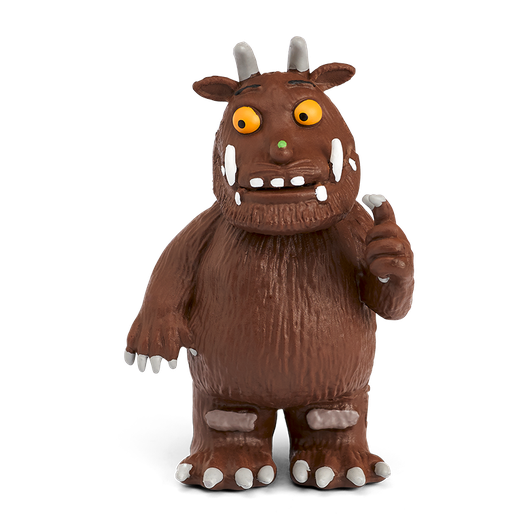
- The Global Anchor: While local stories built the initial foundation over in Germany, model #01-0019 (the legacy German release of The Gruffalo) acted as the ultimate bridge. It proved this little audio platform could scale across the planet by acquiring heavy-hitting British children's literature.
- The Regional Split: The classic European audio file packed a 21-minute runtime stuffed with a multi-language song playlist. Meanwhile, the localized English edition trimmed down the extra filler to a crisp 17 minutes, powered by the incredible vocal talents of narrator Imelda Staunton.
- The 2026 Great Vaulting: In early 2026, the standalone legacy figure officially went into the production vault to make room for a chunky new 52-minute double-feature edition. This update triggered a massive meta-debate in parenting forums about whether kids prefer movie-style audio descriptions over straight-up book readings.
The Quest Log
- The Deep Dark Wood
- Local nostalgia versus global appeal
- Finding the ultimate intellectual property anchor
- How a scary monster with purple prickles won over international retail distributors
- Audio Architecture Across Borders
- Breaking down the track list and filler songs
- Narrator shifts from Ilona Schulz to Imelda Staunton
- Mastering sound engineering for a fabric-covered speaker
- The 2026 Vault Shift
- Saying goodbye to the legacy standalone figure
- The rise of the 52-minute double-feature upgrade
- The community debate over cinematic audio versus classic book pacing
The Deep Dark Wood: From Domestic Cult to Global Empire
Grab your coffee, friend, because we need to talk about how a tiny German hardware startup managed to conquer the toddler world. When this system first dropped, the creators used a super specific regional playbook. The initial product lineup was stuffed to the brim with classic German audio plays. It was a brilliant move for getting local parents on board, but the strategy hit a massive brick wall at the border. If you want to expand an audio ecosystem to a global player base, you can't just coast on local nostalgia. You need an epic, universally loved anchor piece of intellectual property.
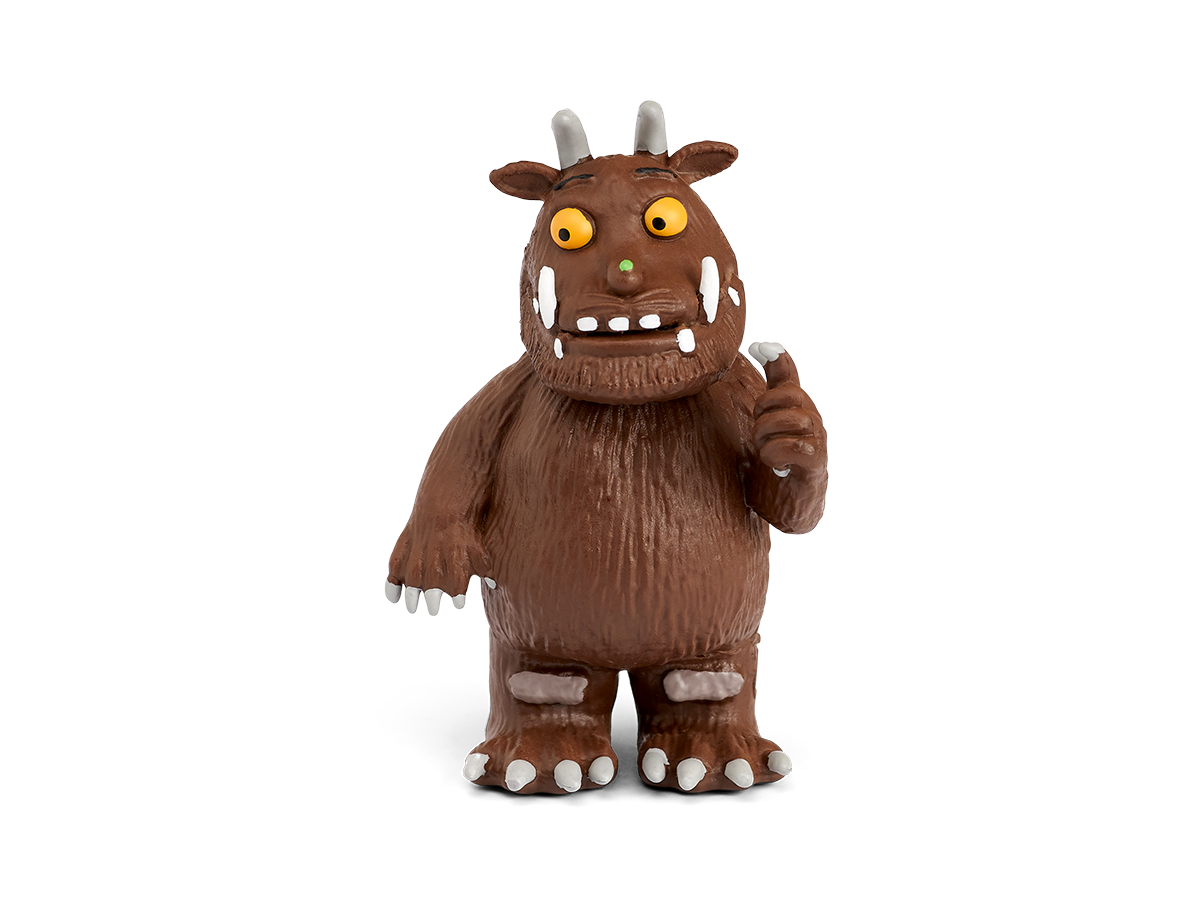
That gold-tier loot arrived when they locked down the licensing rights for the legendary books by Julia Donaldson and Axel Scheffler. Bringing that terrifying beast with the orange eyes and purple prickles onto the stage completely flipped the script for the brand's international expansion strategy.
Think of this shift like a game studio launching a vanilla closed beta for a core group of local testers before dropping a massive world-spanning expansion pack. Parents in Germany already understood how audio plays worked, but international families needed a hook they already owned on their actual living room bookshelves. By turning a massive global book phenomenon into a physical, magnetic toy, it was basically like giving parents a real-life Pokemon to slap onto a speaker. No one had to explain what this padded audio cube was trying to accomplish anymore. You didn't need a system manual, you just pointed at the brown, horned monster sitting next to your cold morning brew.
In the engineering world, when you build a brand new tool, you need a baseline test piece to make sure your machine can handle tough, external materials. Think of it like soloing a high-level dungeon boss to prove your gear score is up to snuff. This exact literary acquisition was that proof of concept. The authors had already built a global empire out of clever rhymes and gorgeous drawings, making their portfolio the ultimate stress test for an unproven audio box trying to win over skeptical store buyers worldwide. If the company could prove that toddlers would happily tap a physical monster to trigger a digital story, they could copy-paste that formula across every single language barrier on Earth.
This brilliant move became the permanent blueprint for every international license they snagged later down the road. It proved the box wasn't just a quirky local gadget, but a legit global standard for kids' audio. Snagging this British publishing crown jewel broke the company right out of its regional cage, giving them the cash flow and street cred they needed to pitch the mega Hollywood animation studios later on. It turned a tiny startup into a heavyweight publishing rival, proving that a cute speaker cube could easily turn classic books into a high-yield physical collection hobby.
Side Quest: Regional Audio Mapping
Now, let's open up the character sheet and look at the actual sound engineering hidden inside this specific figure, because the regional differences are wild. The early European version of this release clocks in at around 21 minutes, with the story read by Ilona Schulz. This specific mix stays incredibly faithful to the book, tracking the text word for word. But here is the catch: the book is short, which left the production engineers facing a tough value-to-cost equation for parents opening up their wallets. Their clever workaround was to pad the back end of the track with a whole bunch of theme song variations. The actual track list gives you the story, then hits you with the iconic theme song in German, repeats it in English, and finally drops an instrumental version for an impromptu toddler karaoke session.
When the platform officially crossed the pond into English-speaking territories, the engineering crew completely rebuilt the soundscape from scratch. The English localization tossed out the multi-language song playlist entirely and delivered a streamlined, 17-minute experience. Even better, they handed the microphone to the absolute legend Imelda Staunton.
From a pure audio geek perspective, this vocal upgrade is spectacular. Staunton brings top-tier theatrical energy to the booth, sculpting those rhyming verses with the kind of crisp, dynamic bounce you'd expect from a classical violin soloist. The English master track values vocal clarity over padding out the runtime, making sure the words cut right through the minimal background noises. This smart layout keeps the tiny 3-Watt mono speaker from turning into a muddy soup of sound, which is exactly what you want when your toddler is working on early language skills.
When you are mastering audio for a single mono speaker wrapped in thick, padded fabric, it is like trying to cast a spell through a winter coat. The human ear catches mid-range vocal tones easily, but when you push a master file through a fabric-wrapped box, the high notes can get completely swallowed up while the low bass makes the plastic internal shell rattle like a broken mechanical mount in Orgrimmar. The English production crew solved this puzzle by applying a tight equalization curve that shaves off the sub-bass rumble and boosts the upper-middle vocal tones. This clever technical tuning gives the narration a cozy, up-close feeling, turning a simple bedtime reading into a captivating performance that commands the room without needing to crank the volume to eleven.
The 2026 Vault Shift and the Double Feature Meta
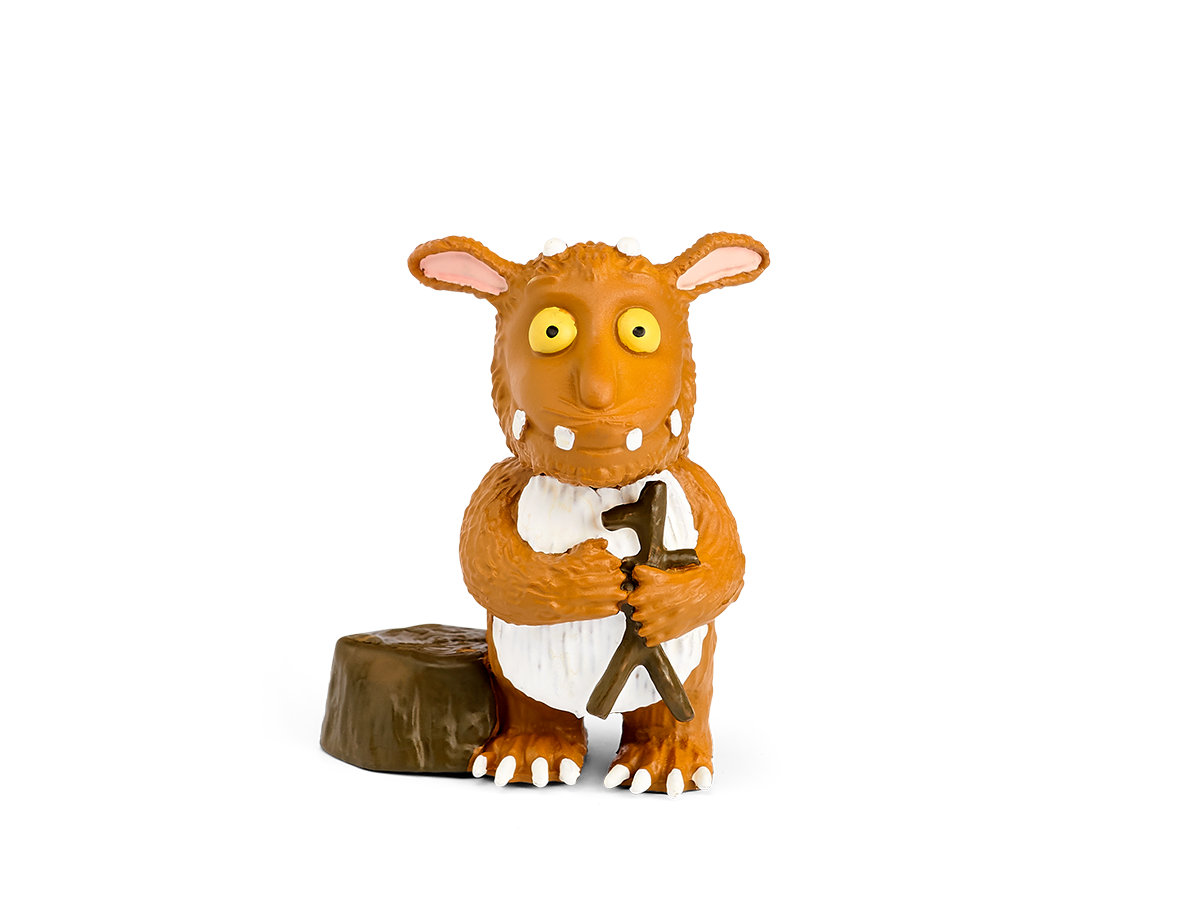
Every piece of physical media eventually faces a product refresh, and the company pulled off a massive vault rotation in early 2026. The original standalone legacy figure was officially retired from the assembly line, transforming overnight into a sought-after collector item. In its place, they rolled out a totally modernized product profile: a combined double-feature figure that bundles the original story and its snow-covered sequel onto a single physical chip.
This shiny 2026 update bumps the total runtime from the old versions up to a massive 52 minutes. On paper, this looks like an absolute win for any tired parent looking to maximize an hour of quiet time. It squishes two legendary children's books into a single purchase, upgrading the product catalog to match the high-capacity storage of modern cloud-linked audio gear.
However, this upgrade has sparked a fiery meta-discussion across parenting forums and fan groups. The new production throws out the simple, clean audiobook narration. Instead, it pulls the exact audio tracks straight from the famous animated television movie adaptations, complete with big-name German voice talents like Heike Makatsch and Christian Ulmen.
This cinematic style introduces a thick layer of descriptive audio tracks originally made for vision-impaired audiences. For example, before the story even kicks off, the track opens with detailed spoken descriptions of the forest floor, where the hollow logs are sitting, and how the leaves are blowing in the wind. The purists in the parenting community have filled up the feedback boards with complaints, pointing out that this wordy descriptive style completely kills the snappy, musical flow of the original book's rhythm. It is a textbook engineering tradeoff: you get twice the story length and cinematic audio effects, but you lose the clean, focused simplicity that made the legacy model a perfect bedtime wind-down choice.
Looking at this through the lens of content design shows the classic friction between recycling movie assets and creating purpose-built audio. When you rip a soundtrack straight from a film master, the story relies heavily on visual cues to connect the dialogue. Without a screen in front of the kid, the engineers have to fill those blank spots with a descriptive narrator, turning a minimalist poetic masterpiece into a wordy, over-explained lecture. For little kids who rely on the steady, rhyming bounce of the text to build their pre-reading skills, all this extra verbal data feels like a clogged nozzle on a 3D printer, leaving messy plastic strings that ruin the crisp lines of the original design. The legacy version crushed it because it was lean, leaving plenty of empty space for a child's imagination to paint its own pictures between the words.
The Exit Interview
- Golden Nugget: Breaking out of a local market requires leaping over cultural boundaries with heavy-hitting licensing deals rather than just leaning on local childhood nostalgia.
- Rapid Fire FAQ:
- Why does the original European figure feature multiple languages? The early engineering crew padded out the short book track by adding German, English, and instrumental versions of the theme song to give parents more playtime for their money.
- What changed with the 2026 updated release? The classic standalone figure was vaulted and swapped for a combined 52-minute double-feature model that packs in the sequel story but swaps the clean book reading for wordy, descriptive film audio.
- Is my old legacy figure still going to work on newer boxes? Absolutely. Because the platform checks everything using cloud-verified digital tokens, the legacy hardware profiles stay fully supported across all speaker cubes.
- Next Step: Go check your kid's collection right now to see if you are holding the lean legacy model or the cinematic 2026 update, then see if your tiny human prefers a fast narrative sprint or a long, detailed audio journey.
Disclaimer:
Our goal is absolute technical accuracy, but we are human and bugs happen in the code. We never intend to offend, insult, or attack anyone with our content. If you spot a bad data point or a broken fact, please report the post so we can patch it immediately. We are just a three-person squad running this site, managing the daily blog, and prepping the new forums. If you appreciate the grind and want to help us keep the lights on, consider buying us a coffee. It keeps our caffeine levels critical and the servers running.
Reference Log
- Spielinger Boxine 01-0019 Tonies Der Grüffelo Product Page
- MediaMarkt Austria TONIES Der Grüffelo & Das Grüffelokind Relaunch 2026 Listing
- Geizhals Price Comparison: Tonies Der Grüffelo & Das Grüffelokind (Neuauflage 2026)
- Walmart Tonies Julia Donaldson The Gruffalo Product Details
- Early Learning Centre UK Tonies The Gruffalo Audio Character Specifications
- Galaxus Tonies The Gruffalo German Edition Customer Reviews and Product Specifications